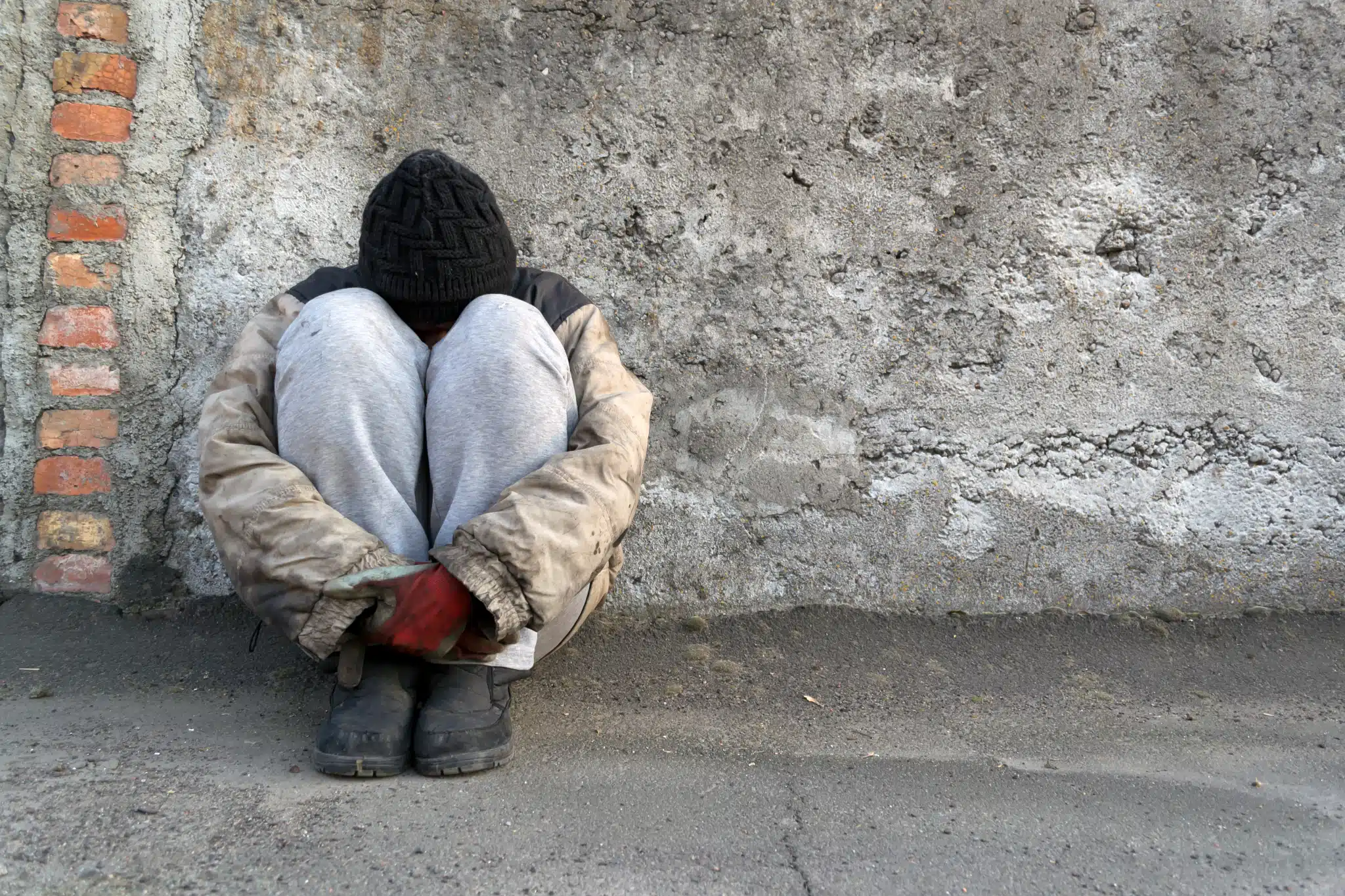
A Dangerous Precedent: Why Criminalizing Homelessness is a Step Backward for Our Nation and Our City
Recent federal actions in Washington, D.C., to forcibly clear homeless encampments under threat of arrest set a chilling precedent. This approach, which punishes people for their poverty, runs counter to the compassionate, effective solutions we know are needed right here in Greensboro.
Here at the Greensboro Housing Coalition (GHC), our mission is rooted in a fundamental belief: housing is a human right. Every day, we work to ensure our neighbors in Greensboro have access to safe, stable, and affordable homes. It is from this perspective that we watch with deep concern the recent policy shifts at the national level, which threaten to unwind decades of progress in how we address homelessness.
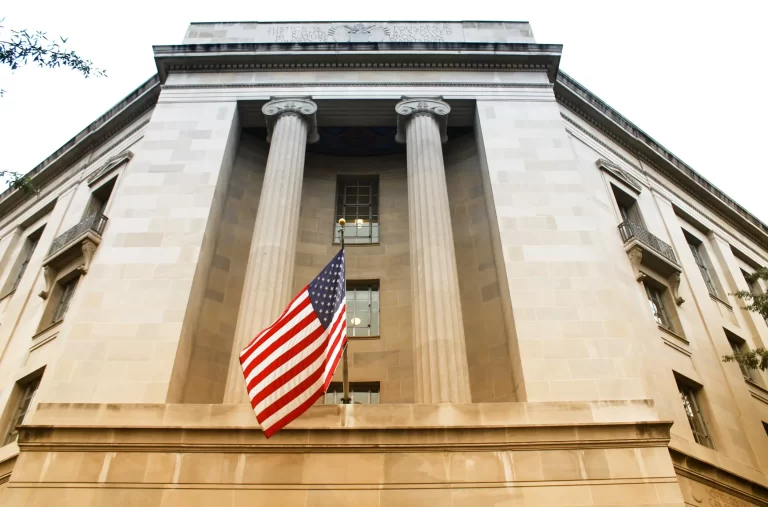
A new report from The Independent details a disturbing development in our nation’s capital. The White House has directed the federal government to begin forcibly removing homeless encampments in Washington, D.C. According to the report, individuals living on the streets are being given an ultimatum: enter a shelter or treatment facility, or face fines and jail time.
This policy represents a dangerous pivot towards the criminalization of homelessness. It treats a complex economic and public health crisis as a matter of law enforcement, a strategy that housing advocates across the country have long recognized as both inhumane and ineffective.
The National Shift and Its Flaws
The actions in D.C. are not happening in a vacuum. They follow a series of executive orders and a broader political narrative aimed at punishing people who are forced to live in public spaces. As Jesse Rabinowitz of the National Homelessness Law Center stated in the article, this approach threatens to take our country backward to an era of “massive institutionalization” that “didn’t work” and “was inhumane.”
Experts are clear: homelessness is not a criminal issue, it is an economic one. The crisis is fueled by a nationwide shortage of affordable housing, stagnant wages, and a frayed social safety net. According to the National Alliance to End Homelessness, approximately 19,000 people become homeless for the first time every week in the United States. Punishing these individuals does nothing to address the root causes of their situation. In fact, it creates new barriers—a criminal record, fines, and trauma—that make it even more difficult for them to secure stable housing and employment in the future.
Renee Willis, president of the National Low-Income Housing Coalition, rightly called these actions “cruel” and a “continuation of the administration’s attacks and efforts to dehumanize the unhoused community.”
What This Means for Greensboro
While these events are unfolding in Washington, D.C., the underlying philosophy could have profound implications for communities everywhere, including our own. The warning from advocates is stark: “what starts in D.C. will spread to the rest of the country, and that should terrify everyone.”
Here in Guilford County, we are facing our own housing crisis. The 2024 Point-in-Time count revealed 641 individuals experiencing homelessness, a significant increase from previous years. This is happening at a time when Greensboro’s poverty rate is already 31% above the national average, as noted by the United Way of Greater Greensboro. Our community simply does not have enough affordable housing to meet the need, and the pressure on our most vulnerable neighbors is immense.
The Greensboro Housing Coalition, alongside our partners like the Community Foundation of Greater Greensboro’s Unhoused Working Group and the City’s Housing & Neighborhood Development department, is committed to a “Housing First” approach. This evidence-based model recognizes that providing a stable home is the crucial first step. Once a person is housed, they are in a much better position to address other challenges they may face, such as securing employment or managing their health.
An enforcement-led approach, like the one being implemented in D.C., is the exact opposite of Housing First. It leads with punishment, not support. It seeks to make the problem of homelessness invisible by removing people from sight, rather than solving it by providing homes.
Our Unwavering Commitment to Real Solutions
We cannot allow our community to be pushed backward. The safety and strength of Greensboro depend on the well-being of all its residents. We must reject the false and cruel choice between compassion and public order. The safest communities are not those that arrest the poor, but those where everyone has their basic needs met.
The Greensboro Housing Coalition will continue to advocate for the proven solutions that we know work:
- Expanding the supply of safe, affordable housing for people at all income levels.
- Strengthening “Housing First” initiatives that provide stability and support.
- Investing in comprehensive services—including mental healthcare, substance use treatment, and job training—that are voluntary and accessible.
- Fostering collaboration between city and county governments, nonprofits, faith communities, and the private sector to create a coordinated and compassionate system of care.
The developments at the national level are a stark reminder of what is at stake. We must stand firm in our commitment to policies that uphold the dignity of every individual and address the root causes of our housing crisis. We urge all members of our community to join us in advocating for a Greensboro where everyone has a place to call home.
To learn more about our advocacy work or to find housing resources, please explore our website.