
Addressing Tenant Challenges with HVAC in North Carolina
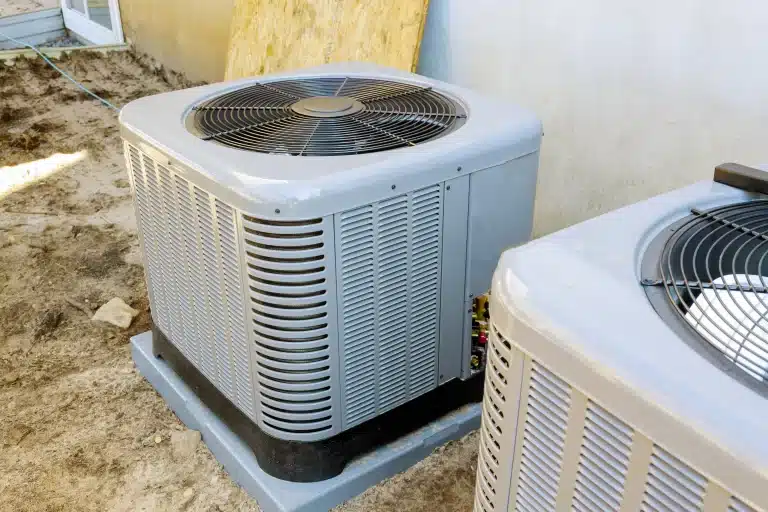
Imagine living through North Carolina’s sweltering summers without air conditioning, only to find out that landlords aren’t legally required to provide it. For one tenant in Winston-Salem, this wasn’t just a hypothetical scenario; it was her reality. Learning that her landlord wasn’t obligated under state law to ensure HVAC access emphasized a broader issue affecting renters across North Carolina.
What the Law Says
Under current North Carolina law, landlords must maintain rental properties in a habitable and safe condition, including providing heat, but air conditioning isn’t a required amenity. This creates a critical gap, particularly in hotter areas where lack of air conditioning can lead to real risks for health and safety.
For tenants like the Winston-Salem woman, this reality can feel unfair and isolating. Weeks without proper cooling can make even the most basic living conditions unbearable, especially for those with young children, elderly family members, or health challenges.
The Health Implications
Heat isn’t just uncomfortable; it’s dangerous. The World Health Organization identifies extreme heat as a leading cause of weather-related fatalities. Without reliable air conditioning, tenants are more susceptible to heat-related illnesses, including dehydration, heat exhaustion, and even heat stroke. Vulnerable groups, like seniors and individuals with pre-existing health conditions, are at an even higher risk.
For tenants already balancing the challenges of low or moderate income, purchasing standalone cooling units or relocating to another rental property may be financially out of reach. What can be done to address this issue?
Why Tenant Rights Must Expand
The gap in HVAC requirements reflects the larger need for tenant protections within North Carolina’s rental laws. Tenants should be able to have confidence that their homes are more than just technically habitable; they should be safe, equitable spaces where students can study, parents can rest after work, and everyone can thrive year-round.
Without changes, landlords are not incentivized to provide essential amenities like cooling, leaving tenants in a cycle of discomfort and vulnerability. Advocacy remains critical. North Carolina residents and lawmakers must prioritize tenant needs, particularly during legislative sessions, to create housing environments that balance affordability and livability with basic human rights.
What You Can Do to Support Housing Justice
The Winston-Salem woman’s story isn’t isolated. It serves as a wake-up call for anyone passionate about tenant rights. Here’s how you can make a difference in addressing this systemic issue:
- Educate Yourself and Others
- The first step toward change is raising awareness. Discuss tenant rights with friends, family, and community groups. Share resources about how renters can pursue repairs and where they can turn for help.
- Support Policy Changes
- Advocate for legislative amendments that make amenities like HVAC systems a required feature for rental properties. Contact your local officials to express support for such measures.
- Engage with Tenant Advocacy Organizations
- Groups like the Greensboro Housing Coalition work tirelessly to ensure fair housing practices. Consider volunteering, donating, or simply amplifying their efforts through your network.
Building a Safer Future Together
The challenges faced by tenants in North Carolina highlight the pressing need for housing reform. A safe, livable home shouldn’t depend on luck or the goodwill of a landlord; it should be a guaranteed right.
The story of the Winston-Salem tenant may have been a moment of frustration, but it’s also a call to action. By working together to advance better housing policies, we can ensure that all renters, regardless of income or location, can live with dignity, safety, and comfort.
Want to learn more about renter rights and housing advocacy? Organizations like the Greensboro Housing Coalition are here to help. Explore more and join the effort in creating a fairer future for tenants statewide.